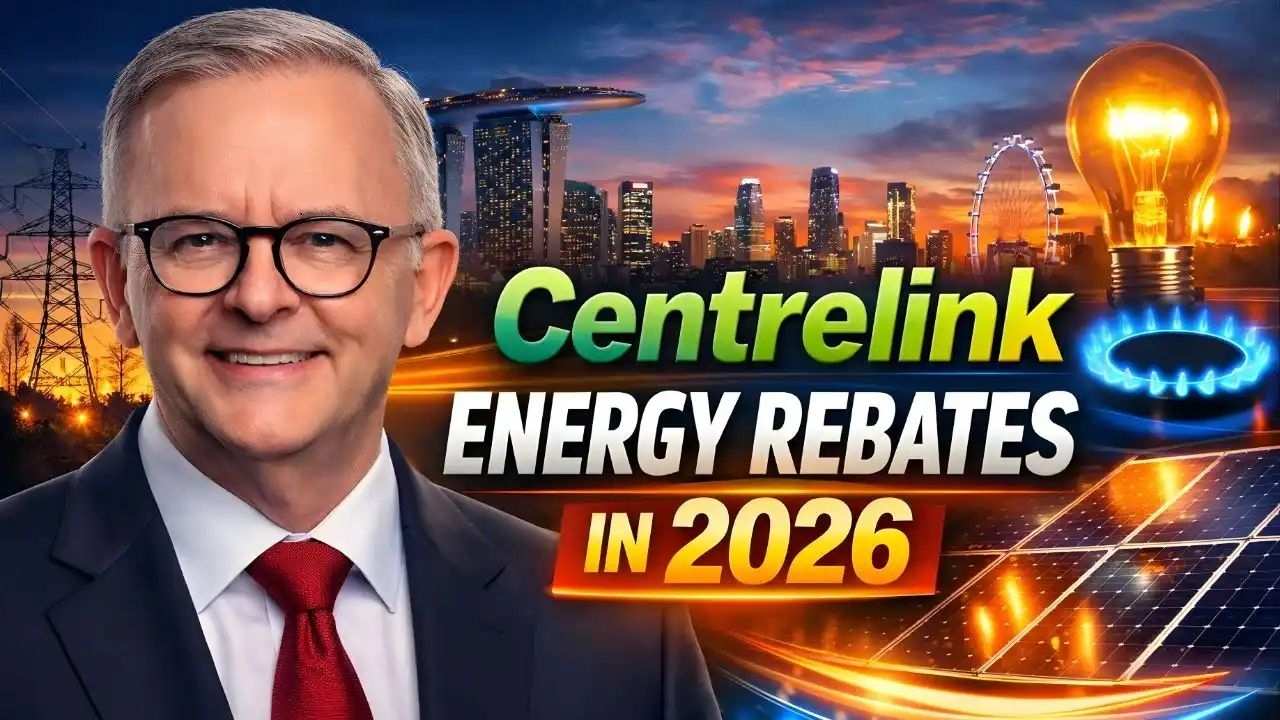
Electricity expenses have become one of the fastest-growing household costs in recent years, placing significant pressure on monthly budgets. In response, the 2026 expansion of Centrelink-linked energy rebates introduces a more refined and targeted approach to supporting households struggling with rising utility costs.
This updated rebate structure reflects a broader shift toward smarter financial assistance—one that focuses resources on households most in need while improving efficiency and accessibility. With automatic bill credits, improved eligibility systems, and stronger collaboration between federal and state programs, the 2026 reforms aim to deliver dependable energy relief without unnecessary administrative hurdles.
Understanding how the expanded rebate system works can help households anticipate potential savings and better manage long-term financial commitments.
Why Energy Rebates Are Expanding in 2026
Energy affordability has become a growing concern across Australia. Electricity prices have increased due to multiple economic and structural factors, making targeted support programs increasingly essential.
The Financial Impact of Rising Electricity Costs
Energy is an unavoidable household expense. From lighting and refrigeration to digital connectivity and climate control, modern living depends heavily on reliable electricity access.
As prices rise, households commonly experience:
- Higher monthly utility expenses
- Reduced discretionary income
- Greater reliance on financial support programs
- Difficulty managing peak seasonal costs
- Increased financial stress during extreme weather periods
These challenges have prompted policymakers to rethink traditional rebate models and deliver more focused assistance.
Moving From Broad Subsidies to Targeted Support
Earlier rebate models often applied to large segments of the population. While effective in delivering rapid relief, universal systems placed increasing pressure on public budgets.

The 2026 expansion introduces a more targeted model that prioritizes households with genuine financial vulnerability. This ensures available resources deliver maximum impact while supporting long-term sustainability.
Key Features of the 2026 Energy Rebate System
The updated rebate framework includes several improvements designed to enhance usability and fairness.
Automatic Bill Discounts
One of the most significant upgrades in 2026 is the introduction of automatic rebate processing.
Instead of requiring manual applications, eligible households will receive discounts directly on their electricity bills.
Key advantages include:
- No complex paperwork requirements
- Faster delivery of financial support
- Reduced administrative delays
- Improved accuracy in payment distribution
Automation ensures that eligible households receive assistance without unnecessary barriers.
Refined Eligibility Criteria
Eligibility rules have been updated to better identify households experiencing the greatest financial pressure.
Factors considered may include:
- Household income levels
- Reliance on government support payments
- Family size and composition
- Special energy requirements
- Existing concession eligibility
This refined approach allows support programs to focus on households with the highest need.
Who Is Likely to Benefit the Most
The updated rebate structure prioritizes households facing limited financial flexibility and higher essential energy demands.
Pensioners and Fixed-Income Households
Older adults living on fixed retirement incomes are particularly vulnerable to rising electricity costs. Predictable rebates help stabilize monthly expenses and reduce financial uncertainty.
Potential benefits for pensioners include:
- Lower electricity bills
- Improved monthly budgeting
- Reduced financial stress
- Greater independence in managing living costs
For retirees, stability is often more valuable than temporary financial relief.
Low-Income Families
Families managing multiple financial responsibilities—such as rent, childcare, and food expenses—often experience heightened pressure from energy price increases.
Targeted rebates help ease this burden by:
- Reducing essential household expenses
- Supporting long-term financial planning
- Minimizing reliance on emergency financial support
- Improving overall household stability
This approach helps create more resilient family budgets.
Households With Special Energy Needs
Certain households require higher-than-average electricity usage due to medical or accessibility requirements.
Common examples include:
- Medical equipment operating continuously
- Specialized cooling or heating systems
- Assistive technologies supporting daily living
- Health-related energy demands
Recognizing these needs ensures equitable support across different living situations.
The Role of State-Level Energy Support Programs
Federal rebate reforms form the foundation of the 2026 expansion, but state-level programs remain equally important in delivering comprehensive support.
Complementary State Rebates
Many regional governments continue to offer additional concession programs designed to enhance federal assistance.
These may include:
- Seasonal energy rebates
- Hardship relief grants
- Discounted tariff programs
- Emergency utility assistance
Together, federal and state programs create a layered safety net that supports households during financial strain.
Supporting Regional and Remote Households
Households located outside major urban centers often face higher electricity costs due to distribution challenges and infrastructure limitations.
State-based initiatives help address these disparities by:
- Offering region-specific subsidies
- Supporting infrastructure modernization
- Encouraging energy efficiency programs
- Improving supply reliability
These targeted efforts promote equal access to affordable energy services.
Understanding the Drivers Behind Rising Electricity Costs
To appreciate the value of expanded rebates, it is important to understand why electricity costs have increased.
Renewable Energy Infrastructure Investments
Transitioning to sustainable energy systems requires large-scale investment in new technologies and infrastructure.
Key cost drivers include:
- Development of renewable generation facilities
- Installation of energy storage systems
- Modernization of transmission networks
- Expansion of distribution grids
Although these investments support environmental sustainability, they contribute to short-term price increases.
Aging Infrastructure Maintenance
Much of the existing energy network has been operational for decades. Maintaining reliability requires ongoing upgrades and repairs.
Maintenance activities typically include:
- Equipment replacement
- Safety compliance updates
- System capacity improvements
- Reliability enhancements
These necessary upgrades influence overall electricity pricing.
Global Market Conditions
Energy pricing is closely connected to international markets.
External factors affecting electricity costs include:
- Fuel supply fluctuations
- Exchange rate movements
- Supply chain disruptions
- Geopolitical developments
These influences can increase wholesale electricity prices, which ultimately affect household utility bills.
Financial Benefits for Eligible Households
The 2026 rebate expansion is expected to deliver measurable financial advantages to qualifying households.
Reduced Monthly Utility Expenses
Direct bill credits help lower the total cost of electricity usage, providing immediate financial relief.
This reduction allows households to:
- Allocate funds to essential needs
- Strengthen emergency savings
- Reduce financial strain
- Maintain consistent bill payment schedules
Even modest reductions can significantly improve financial resilience over time.
Improved Budget Predictability
Stable energy costs enable more accurate financial planning.
Households benefit from:
- Greater visibility into monthly expenses
- Reduced risk of sudden cost increases
- Improved financial discipline
- Enhanced long-term planning capability
Predictability supports confidence in managing fixed-income budgets.
Challenges and Considerations in Implementation
While the expanded rebate system offers clear benefits, successful implementation requires careful management and oversight.
Ensuring Accurate Eligibility Verification
Determining eligibility based on multiple financial and household criteria can be complex.
Effective implementation requires:
- Reliable data integration systems
- Accurate record management
- Transparent eligibility reviews
- Consistent policy enforcement
Maintaining accuracy protects both recipients and program integrity.
Raising Public Awareness
Some households may remain unaware of updated rebate options or misunderstand their eligibility status.
Strong communication strategies help:
- Increase awareness of available support
- Encourage informed financial planning
- Reduce confusion about rebate processes
- Improve participation rates
Clear information ensures maximum program effectiveness.
Long-Term Outlook for Energy Affordability
The 2026 rebate expansion represents an important milestone, but long-term affordability depends on broader energy system improvements.
Promoting Energy Efficiency
Energy-saving technologies continue to play a central role in reducing household consumption.
Popular efficiency initiatives include:
- Installation of smart energy meters
- Adoption of high-efficiency appliances
- Improved home insulation
- Expansion of residential solar systems
Efficiency reduces consumption while supporting sustainable cost control.
Strengthening Energy System Resilience
Future investments in infrastructure and innovation will shape the next phase of energy affordability.
Key priorities include:
- Expanding renewable energy capacity
- Enhancing grid reliability
- Supporting large-scale battery storage
- Improving digital monitoring systems
These developments aim to balance sustainability with cost stability.
Conclusion
The expansion of Centrelink energy rebates in 2026 represents a strategic response to rising electricity costs and growing financial pressure on households. By introducing automatic bill discounts, refining eligibility criteria, and strengthening partnerships between federal and state programs, the updated framework delivers targeted and meaningful financial support.
While electricity pricing continues to be influenced by infrastructure investments, market forces, and technological transitions, the enhanced rebate system provides a reliable foundation for improved affordability. For eligible households, these changes represent more than short-term assistance—they offer a pathway toward stable, sustainable energy access in an increasingly complex financial landscape.